
You have no items in your shopping bag.
Samples to Try
FREE
You are currently shopping on our International store

Customer Support
info@dermacaredirect.co.ukSkincare Advice
advice@dermacaredirect.co.uk GBP / EN
Cart Total
Worldwide shipping
Did you know your skin makes about 1% less collagen every year after your twenties? As your skin’s needs shift with age, the same routine can start working against you — leading to dryness, breakouts, or dullness. This article breaks down how to adjust your skincare decade by decade, from ingredients to prioritize to habits to drop. You’ll leave with clear product swaps, routine tweaks, and a smarter strategy for long-term skin health.

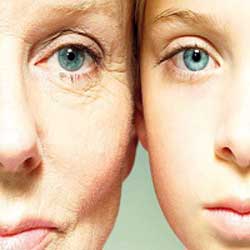
The ageing of skin is a complicated, multi-faceted process influenced by both intrinsic (genetically determined, natural) and extrinsic (environmental and lifestyle) factors. Although intrinsic ageing is an inevitable process that occurs as time passes, extrinsic ageing—commonly known as photoaging—is primarily triggered by external elements and can be mitigated or avoided.
Intrinsic ageing, often referred to as chronological ageing, is unavoidable and dictated by our genes. It is marked by the following characteristics:
Decreased Cellular Turnover: The process of skin renewal becomes slower, resulting in skin that is thinner and more fragile.
Collagen & Elastin Reduction: Starting in the mid-20s, the skin begins to generate lower amounts of collagen and elastin, leading to a decrease in firmness and elasticity.
Hormonal Changes: A decrease in hormones such as estrogen (especially during menopause) leads to thinner skin, reduced hydration, and lower collagen production, which causes more dryness and wrinkles.
Glycation: An overabundance of sugar in our diet attaches to proteins such as collagen, causing them to become stiff and lose their elasticity.
Extrinsic ageing frequently contributes to the visible, premature signs of ageing, with as much as 80-90% of visible skin alterations resulting from sun exposure.
UV Radiation (Photoaging): Exposure to sunlight deteriorates collagen and elastin fibers, leading to the development of fine lines, wrinkles, sagging skin, and age spots.
Air Pollution: Tiny particles, vehicle emissions, and soot can infiltrate the skin, causing oxidative stress, long-term inflammation, and weakening the skin's barrier function, which results in a dull, uneven, or grayish complexion.
Smoking: The smoke from tobacco leads to early ageing by limiting blood circulation, reducing oxygen levels, and speeding up collagen degradation, which frequently causes pronounced wrinkles around the mouth and eyes.
Lifestyle Factors: Inadequate sleep, elevated stress levels, and unhealthy nutrition speed up the ageing process by boosting free radicals and diminishing the skin's capacity to heal itself.
Blue Light & Infrared Light: High-energy visible (HEV) light emitted by screens, along with heat from various environmental sources, can harm collagen and impact the elasticity of the skin.
Regardless of your age, four fundamental steps create the basis of any routine:
Gentle cleansing effectively eliminates dirt, excess oil, and daily impurities—enabling the subsequent products to perform at their best.
Antioxidants play a crucial role in maintaining skin health at all ages. They act as a protective barrier against free radicals, help repair any existing damage, enhance collagen production, and minimize dark spots.
Staying hydrated keeps your skin soft, smooth, and resilient. As we get older, we naturally lose more moisture due to transepidermal water loss (TEWL), so regular moisturising is essential to restore comfort and elasticity.
Applying sun protection every day is the best method to prevent early skin ageing. Even when it's cloudy or you're indoors, UVA rays and blue light from the sun can still affect your skin, leading to wrinkles and dark spots.
As you age, your skincare routine needs to evolve since your skin experiences biological changes—such as decreased collagen, slower cell turnover, and less oil/moisture—necessitating the use of tailored products to tackle emerging issues like dryness, wrinkles, thinning, and loss of firmness. This shift moves from prevention in your younger years to a focus on intensive nourishment and repair during maturity for the best skin health.

Lucky you! Skin is at its best in our 20s so start taking care of your skin now and you’ll look 20 years younger when you're in your 40s! Start a skincare routine now, you'll thank us for it later! Include a sunscreen to prevent sun damage and antioxidants to fight free radicals, which cause premature ageing.
Early on, your skin-care routine should focus on wearing sunscreen, learning the type of skin you have and finding a moisturiser that works for it.
1. Protect your skin from the elements, making sure you use a high factor sunscreen daily or use a daily moisturiser containing SPF of at least 30.
We Love
SkinCeuticals Ultra Facial Defense SPF 50+, it offers all that the skin needs from sun protection to effective hydration.
2. Use a moisturiser with added antioxidants such as the Jan Marini Antioxidant Daily Face Protectant SPF 30 or Heliocare 360 Gel Oil-Free SPF50. To make things simple, combine antioxidant moisturisers with a sunscreen - it’s the ultimate in skincare for twenty-somethings.
3. A great introduction to anti-aging is to start with a vitamin C serum in your morning skincare routine.
It's a powerful antioxidant that will neutralize free radicals and brighten the skin. A great way to counteract the effects of the sun's harmful rays, which, as previously mentioned, are among the biggest causes of premature aging.
A great introduction to a Vitamin C serum is the SkinCeuticals Serum 10
4. Cleansing is essential in your 20's, removing makeup, dirt, dead skin cells, excess oil and other daily pollutants. The cleanser of choice will depend on your skin type & preference.

This is the age when you can start to notice the signs of ageing, as oil production decreases. For many, the first signs include fine lines, creases around the eyes begin to appear and the skin starts to show dullness and dryness. Sun worshippers may have sun spots and discolouration. Creasing of the skin from repeated muscle activity (frowning) can start to show now, with a central frown furrow, lines across your forehead and crow's feet. This is the time to make your skin work harder for you rather than letting it slow down.
1. Exfoliating your skin can work wonders at this age, as this is the time your skin turnover slows down. Products that contain AHAs (alpha hydroxyl acids), such as glycolic acid and BHAs (beta hydroxyl acids) such as salicylic acid, increase skin exfoliation by shedding the top layer’s dull, dead cells, helping the skin to appear smoother and feel softer.
Suitable for all skin types (except sensitive) - Ideal for Sun-damaged, fine lines & wrinkles, acne scarring & pigmentation.
Suitable for all skin types, especially dry & sensitive - Ideal for Sun-damaged, dry, dull, fine lines & wrinkles, & pigmentation.
Suitable for all skin types, especially blemish-prone - Ideal for oily, acne-prone & enlarged pores
Suitable for all skin types, especially Rosacea & Dermatitis - Ideal sensitive, Rosacea & dermatology skin conditions.
3. Add an eye cream into your routine to help reduce the signs of lines, puffiness and dark circles.
This guide will help you choose your eye cream
4. This is the time to boost hydration, look for products with hyaluronic acid. Hyaluronic acid is used as a humectant — a substance that helps the skin hold on to water. Hyaluronic acid serums will plump the skin and tackle dehydration on the top layers of the skin.
We Love

Once we hit our forties our fine lines become deeper, hyperpigmentation increases and the dreaded sagging begins. The skin will become visibly drier and begins to lose some of its tone and elasticity. Now is the time to energise and rejuvenate your skin, and get the glow back to reveal a youthful glow and firmness.
1. Start using more intense moisturisers and anti-ageing products which help to improve tone and texture.
Ingredients to target dryness lookout for Omega fatty acids & ceramides.
Omega fatty acids strengthens the skin’s surface layers for a smoother & healthier complexion. Helping to hydrate, retain moisture & restore the skins barrier function. Omega fatty acids also protect the skin against environmental damage.
We love
ZENMED Omegaceramide+ Recovery Moisturiser
Ceramides are lipids that help form the skin's barrier and help skin retain moisture. Ceramides also help the skin protect against environmental aggressors like irritants, and pollution When the skin’s barrier is compromised, it leads to dryness, itching and irritation.
2. Look for targeted anti-ageing ingredients like Peptides, Growth Factors & Retinol.
Peptides are vital anti-ageing compounds – made up of short chains of amino acids – that tell your skin to produce more collagen and elastin.
We love
When applied topically to ageing skin, growth factors can speed cell turnover, increase skin thickness, and restore luminosity. Natural growth factors like TGF can stimulate stem cells to damaged areas to reproduce and provide the necessary boost to repair the damaged cells, which results in new tissue and a decrease in the appearance of fine lines and wrinkles.
We Love
AQ Skin Solutions Active Serum
Read more about Growth Factors
A super ingredient that delivers on its promise to improve skin texture and reverse the signs of ageing and sun damage or photoaging.
We Love
For an ultimate all in one anti-ageing product choose Jan Marini Regeneration Booster Face Lotion or AQ Skin Solutions GF Active Serum, which contain growth factors and potent antioxidants, peptides and other innovative anti-ageing ingredients to regenerate your skin.
3. Consider weekly booster treatments like face peels & masks to refresh and revitalise your skin.
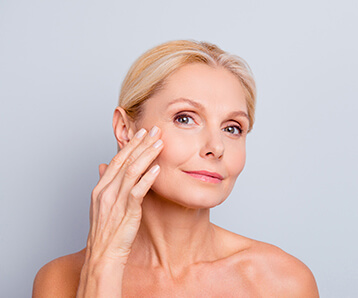
The downside to hitting fifty is the appearance of age spots and the lack of natural oil production. You'll see significant changes in your overall facial structure - a loss of collagen and looser skin are the culprits. Those who have exposed their skin to cigarette smoke and the sun in earlier decades will suffer the most. So you should protect and moisturise, partly to delay the onset of more lines but also because well-hydrated skin looks less wrinkly.
1. SkinCeuticals A.G.E Interrupter or iS Clinical Youth Intensive Creme are excellent all-in-one anti-ageing moisturisers.
2. A Retinol at night to help stimulate cell regeneration and build collagen to diminish the appearance of fine lines, wrinkles and age spots from both photo-and intrinsic ageing.
3. Correct pigmentation problems with Dermaceutic Yellow Cream - Skin Tone Brightener.
4. Hydration has never been more important. Try adding a more hydrating agent such as a hyaluronic acid serum, try SkinCeuticals H.A. Intensifier underneath your moisturiser.
5. Do not forget your sun protection.
The most important thing at any age is water. As long as you drink between 6- 8 glasses of water a day, this will have a huge effect on your skin. It's not just about using products - it’s about caring for your skin the best you can so that it will be in better condition to accept the nutrients and protective agents you're trying to give it. You'll then see a positive difference in the way your skin reacts to your daily skincare routine.
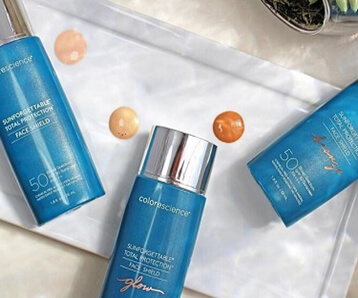
Are you overwhelmed by the array of sunscreen options available today? You're not alone. Understanding Sunforgettable Colorescience Face Shield is vital for making an informed decision that meets your specific skin needs. This article will explore the key benefits each variant offers, helping you find your perfect Face Shield and providing essential application tips for optimal results.

You don’t need 20 products — just the right moves in the right order. In our men’s grooming guide, you’ll learn a simple system to cleanse, hydrate, protect and use exfoliation for clearer, healthier skin

