You have no items in your shopping bag.
Samples to Try
FREE
You are currently shopping on our International store

Customer Support
info@dermacaredirect.co.ukSkincare Advice
advice@dermacaredirect.co.uk GBP / EN
Cart Total
Worldwide shipping
Understanding what it is, the different types, and how to avoid common triggers can make a world of difference in managing the condition. This Psoriasis Awareness Month, we’re breaking down everything you need to know about causes, triggers, and treating psoriasis. Read on to empower yourself or someone you care about with knowledge and actionable steps toward healthier skin.

Psoriasis happens when skin cells renew themselves too quickly. It usually takes up to 28 days for newly formed skin cells to rise to the surface of the skin and separate from healthy tissue, but in psoriasis, it takes just two to six days.
There are several different forms of psoriasis but usually, it appears as red scaling patches which, when scraped or scratched, show fine silvery scales. These patches may affect just a few small areas of the body or they may be very extensive. Psoriasis is most common on the knees, elbows, and scalp, but can appear anywhere, need specialist body care.
There are many types of psoriasis including Guttate, Plaque, Pustular, Psoriatic Arthritis, and Flexural Psoriasis which can affect most areas of the body including the scalp Nails, both fingernails, and toenails.
Psoriasis is a condition that runs in families but the exact way in which the disease moves from generation to generation has not yet been established. Exposure to certain stimuli (such as a streptococcal infection in the throat, alcohol, medicines, and local irritation) or damage to the skin, may cause an outbreak of psoriasis in people who have this genetic predisposition.
The condition is chronic, lasting for many years. Most people have periods when symptoms are minimal or the skin is normal but then it flares up again. Psoriasis is an upsetting condition because it can be uncomfortable and itchy and it can make you feel self-conscious about the way you look.
Stress
Skin injury, such as a cut or bad sunburn
Infection, such as strep throat
Some medications, including lithium, prednisone, and hydroxychloroquine
Weather, especially cold, dry weather
Tobacco
Alcohol (heavy drinking)
These triggers can also cause psoriasis flare-ups. Different people have different triggers. For example, periods of intense stress may trigger your psoriasis but cold weather may not.
That’s why it’s so important for people who have psoriasis to know what triggers their psoriasis. Avoiding triggers can reduce psoriasis flares.
There is no present cure for psoriasis, but there are a number of drugs and treatments that can relieve and control psoriasis, often for long periods of time.
It does help to use moisturisers and cleansers for psoriasis to prevent skin drying and cracking. They soften hard skin and plaques and may reduce scaling and itching. There are many different brands of moisturising creams and ointments. A psoriasis-friendly skin moisturiser may be all that you need for mild psoriasis. Using a moisturiser may also mean that other topical treatments for psoriasis can be more effective. However, apply the emollient first and allow plenty of time for it to be absorbed into your skin before applying any other treatment. Moisturisers can also be used in place of soap when taking a bath or shower as soap can dry and irritate your skin.
Alhydran is a medical hydrating cream that can treat psoriasis. It's designed to restore the skin's moisture balance and protect new skin, which can help reduce dryness, itching, and flaking. Some say they've seen results from Alhydran after just a few hours or a week of use.
The Hydromol range offers several products suitable for managing psoriasis symptoms, including Hydromol Cream, Hydromol Ointment and Hydromol Bath & Shower Emollient.
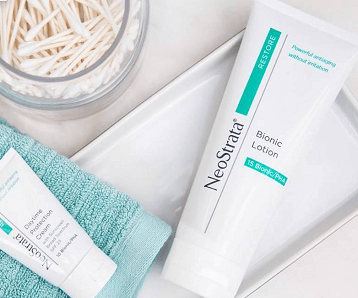
Neostrata Bionic lotion is clinically shown to improve dryness, redness and flaking associated with eczema and psoriasis.
This intensely nourishing lotion soothes and calms irritation and can be used on the face and body.
You might need to try different treatments or a combination of treatments before finding one that works.
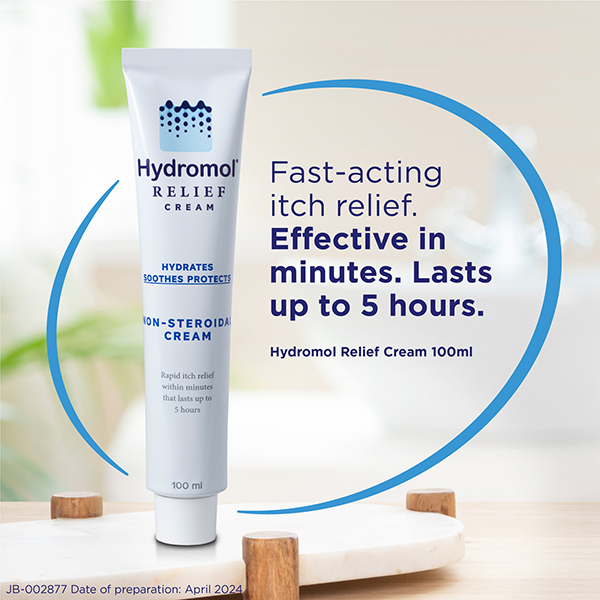
Hydromol relief cream is designed for dry skin conditions like eczema, psoriasis and ichthyosis.
Its clinically proven formula provides long-lasting itch relief alongside hydration, to leave your skin feeling nourished and revitalised.
It's unique blend of shea butter, hyaluronic acid, grape seed extract, liquorice root extract, and vitamin E not only provides relief but also helps restore and protect your skin barrier.
Hydromol Relief Cream offers quick itch relief that lasts up to 5 hours. Clinically proven to rapidly improve atopic dermatitis and allergic contact dermatitis within just 8 days.
Click here to learn more about Remedies for Dry, Flaky and Itchy Scalps
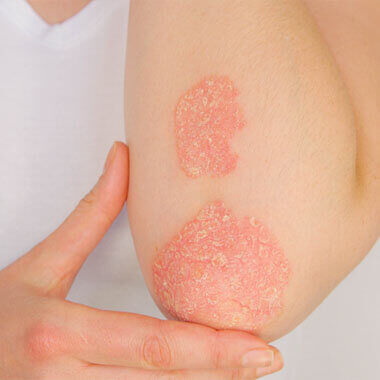
The treatment advised by your doctor may depend on the severity, site, and type of psoriasis. Also, one treatment may work well in one person but not in another. Unless psoriasis is very severe, treatment tends to start with topical treatments. (Salicylic acid, coal tar, steroids, vitamin D, Dithranol). This means treatments that can be applied directly to the skin, such as creams or ointments. If these treatments are not successful, you will usually be referred to a skin specialist for advice about other treatments such as drug and light treatments.
Visit the Psoriasis Association's website for further information.
To learn about Seborrhoeic Dermatitis, read our skincare guide, How to treat Seborrheic Dermatitis written by Dermacare's aesthetics experts.

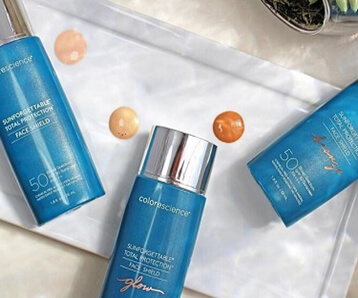
Are you overwhelmed by the array of sunscreen options available today? You're not alone. Understanding Sunforgettable Colorescience Face Shield is vital for making an informed decision that meets your specific skin needs. This article will explore the key benefits each variant offers, helping you find your perfect Face Shield and providing essential application tips for optimal results.

Effective Solutions For Common Body Skin Issues Like KP, Psoriasis & More

